Oral Cancer Screenings: What Dentists Look For and Why It Matters
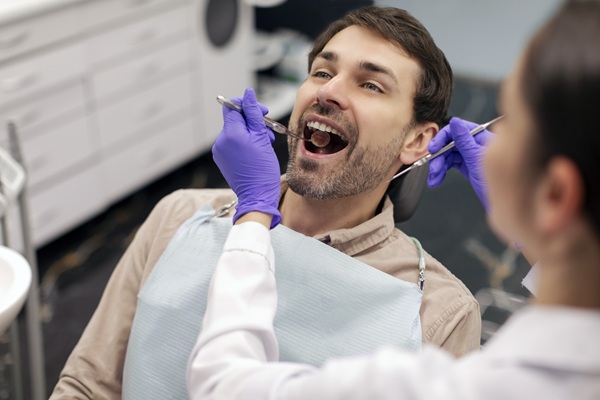
Routine oral cancer screenings are a vital part of preventive dental care that a dentist may recommend during a dental checkup. These quick, painless evaluations allow dental providers to identify potential health concerns in the early stages when they are most treatable. Understanding the screening process clarifies why these checks are a foundation of long-term wellness.
The importance of regular oral cancer screenings
When a dental provider is familiar with the baseline state of an individual's mouth, any slight change in the patient's oral tissues becomes much easier to spot. This consistency is why routine dental visits are about more than teeth cleanings or filling cavities. In other words, these appointments serve as a recurring health audit that protects the patient's entire body.
How dentists determine risk factors in dental care
While anyone can develop oral cancer, there are specific lifestyle factors that increase the necessity for frequent screenings. For example, using any tobacco is a significant contributor to oral cancer. Frequent alcohol consumption and consistent sun exposure on the lips also elevate the patient's risk profile.
Furthermore, certain viral infections, such as the human papillomavirus (HPV), are increasingly linked to oropharyngeal (throat) cancer. According to the Centers for Disease Control and Prevention (CDC), oral HPV is a leading cause of 60% to 70% of oropharyngeal cancers in the United States. In context, 10% of men and 3.6% of women have oral HPV, and oral HPV infection is more common as people get older.
A dental professional considers these risk factors when determining the appropriate frequency for these evaluations. Regular screenings provide a proactive defense for individuals in high-risk categories. They can also offer peace of mind to those who want to take a more proactive approach.
Oral cancer screenings: what to expect and what dentists look for
A thorough visual evaluation
A standard oral cancer screening begins with a thorough visual inspection of the entire mouth. The dentist uses high-intensity lighting and mirrors to look for subtle changes in the patient's soft tissues. This part of the examination focuses on identifying visible irregularities, such as:
- Red or white patches on the gums or tongue
- Sores that do not heal within two weeks
- Asymmetry in the lips or cheeks
- Persistent thickening of the soft tissues
- Irregularities in the texture of the palate
- Unusual spots on the back of the throat
Early detection is the primary goal, as many oral abnormalities do not cause pain in the early stages. Identifying a lesion before it becomes symptomatic offers a wide range of treatment options with better patient outcomes.
Physical palpation
After the visual inspection, the dentist will perform a physical evaluation of the head and neck. This part of the screening involves palpation, where the dentist gently uses their fingers to feel the tissues around the jawline and neck to detect underlying issues. Many internal changes remain invisible to the naked eye but become apparent through touch. A physical palpation includes checking the following:
- The mobility of the jawbone
- The size and tenderness of the lymph nodes
- The salivary glands
- The floor of the mouth
- The thyroid area
This comprehensive approach ensures that health concerns located beneath the surface do not go unnoticed.
Schedule an oral cancer screening at our Belleville office
Regular oral cancer screenings offer a simple way to protect your health during regular dental visits. By staying consistent with these checkups, you ensure that any possible concerns are addressed with the highest level of care. Contact our Belleville office to learn more or to schedule an oral cancer screening.
Request an appointment here: https://www.keepsmilingdentalpc.com or call Keep Smiling Dental PC at (908) 425-4051 for an appointment in our Belleville office.
Check out what others are saying about our dental services on Yelp: Oral Cancer Screening in Belleville, NJ.
Related Posts
During a dental visit, it would be a good idea to get an oral cancer screening to see if you are at risk of developing oral cancer. According to the National Institutes of Health (NIH), about 49,700 people in the United States are diagnosed with oral cancer every year. Getting screened for this disease will…
An oral cancer screening is usually part of a routine general dentistry check-up visit. They become necessary once a person reaches the age of 45. The screening itself is very easy and does not involve pain or discomfort on the patient's end. The dentist will touch the inner tissues of the oral cavity and examine…
Gum disease treatment helps maintain healthier gums by reducing infection-causing bacteria and helping the tissues reattach more securely around the teeth. Gum disease often begins with mild symptoms, but it can progress silently and significantly impact overall oral health. Our dentist can evaluate the severity of your gum disease and develop a structured plan to…
Gum disease treatment addresses the root source of the disease and halts the ramifications. Gum disease, or periodontal disease, is a common condition that damages the gums and the structures that support the teeth. If left untreated, it can cause serious problems, including tooth loss. The good news is that if caught early, these treatments…